International Day for the Conservation of the Mangrove Ecosystem
26 July 2025
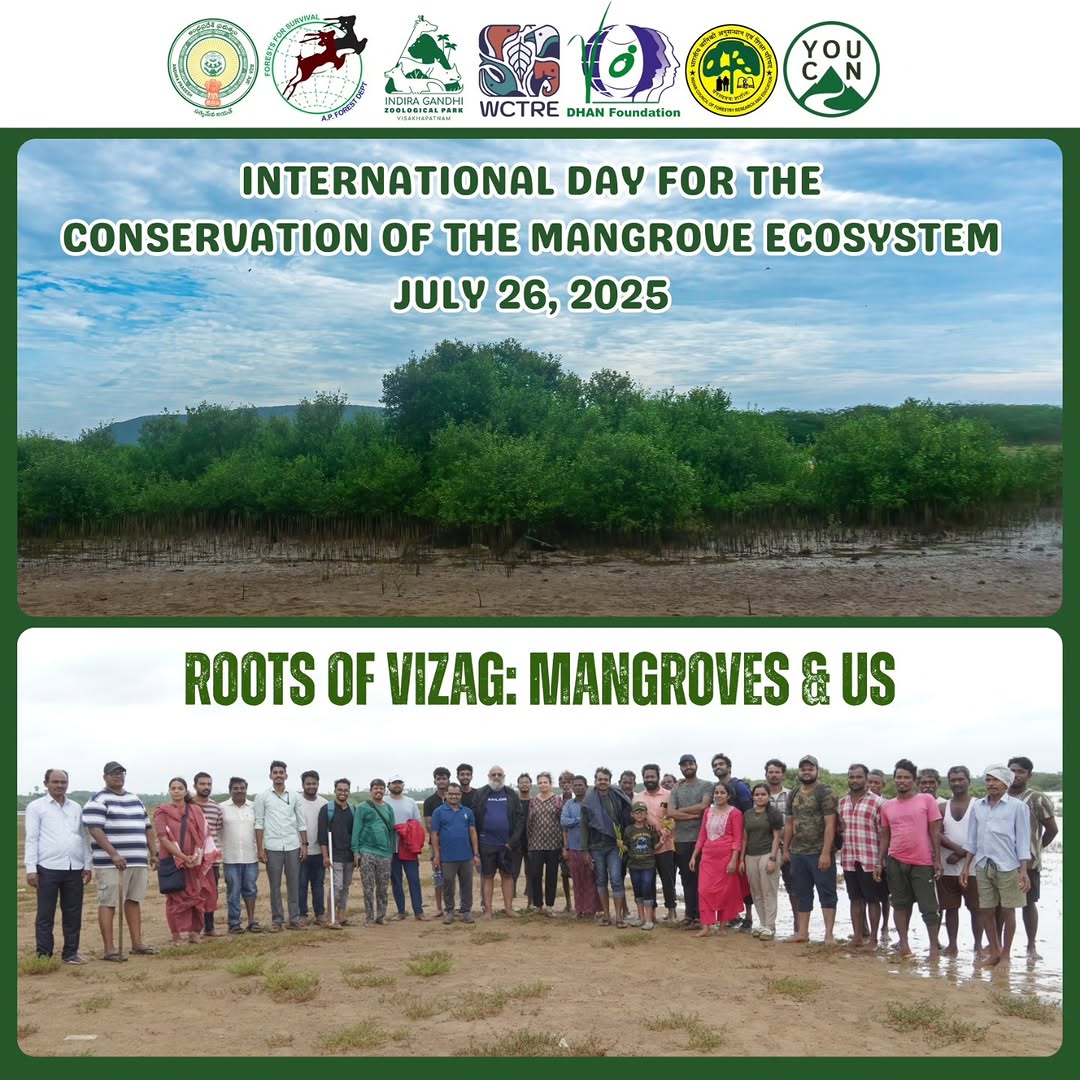
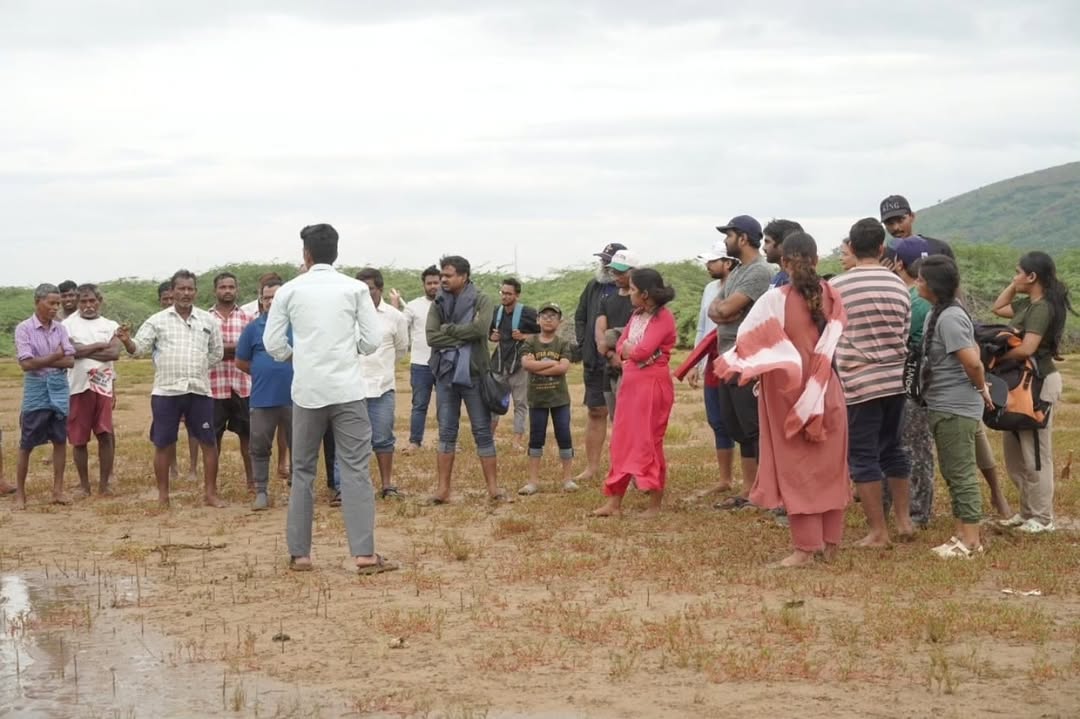
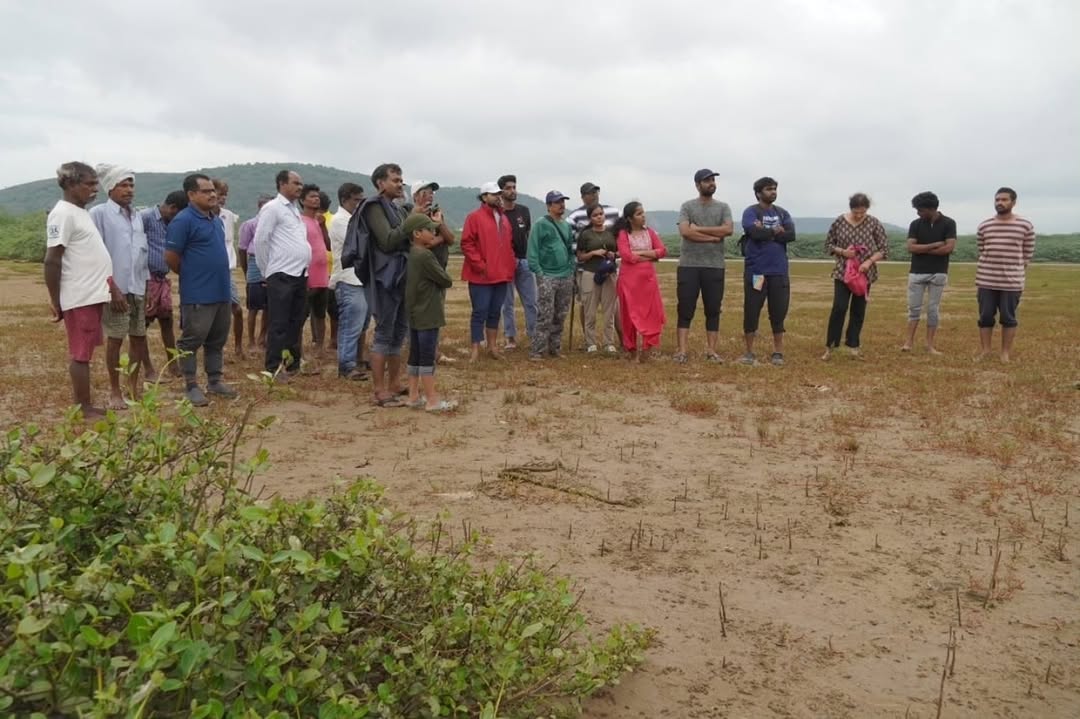
On the occasion of the International Day for the Conservation of the Mangrove Ecosystem, a collaborative field session titled “Roots of Vizag: Mangroves and Us” was organised by Indira Gandhi Zoological Park (IGZP), WCTRE, DHAN Foundation, ICFRE–FRCCE and YouCan.
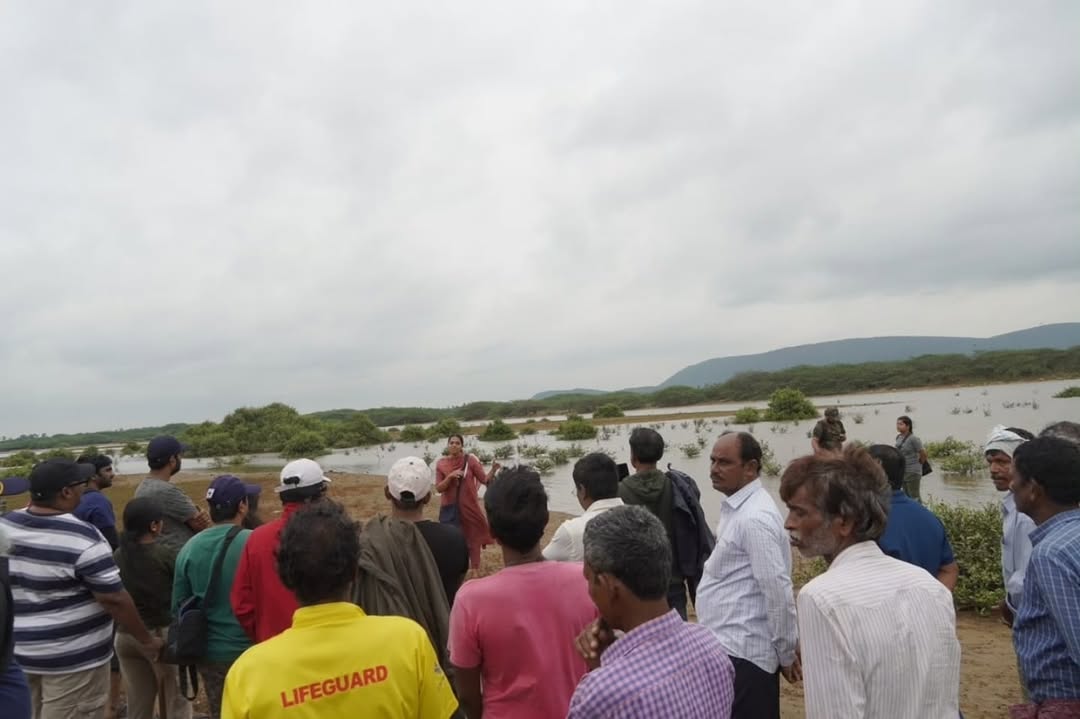
The session explored the ecological diversity and significance of the mangrove ecosystem at the Gosthani River mouth near Bheemunipatnam, Visakhapatnam, Andhra Pradesh. Originating from the Ananthagiri Hills, the Gosthani River flows approximately 120 kilometres before forming an estuarine ecosystem at its confluence with the Bay of Bengal. The biodiverse estuary supports a wide variety of flora and fauna.
Participants observed 30 avian species along with a diverse range of intertidal fauna, including Telescopium, Asian backwater clam, Ring-legged fiddler crab, Motley fiddler crab, Brown crab, Mud creeper and Viola land hermit crab. Egg pouches attached to pneumatophores and prop roots were also observed.
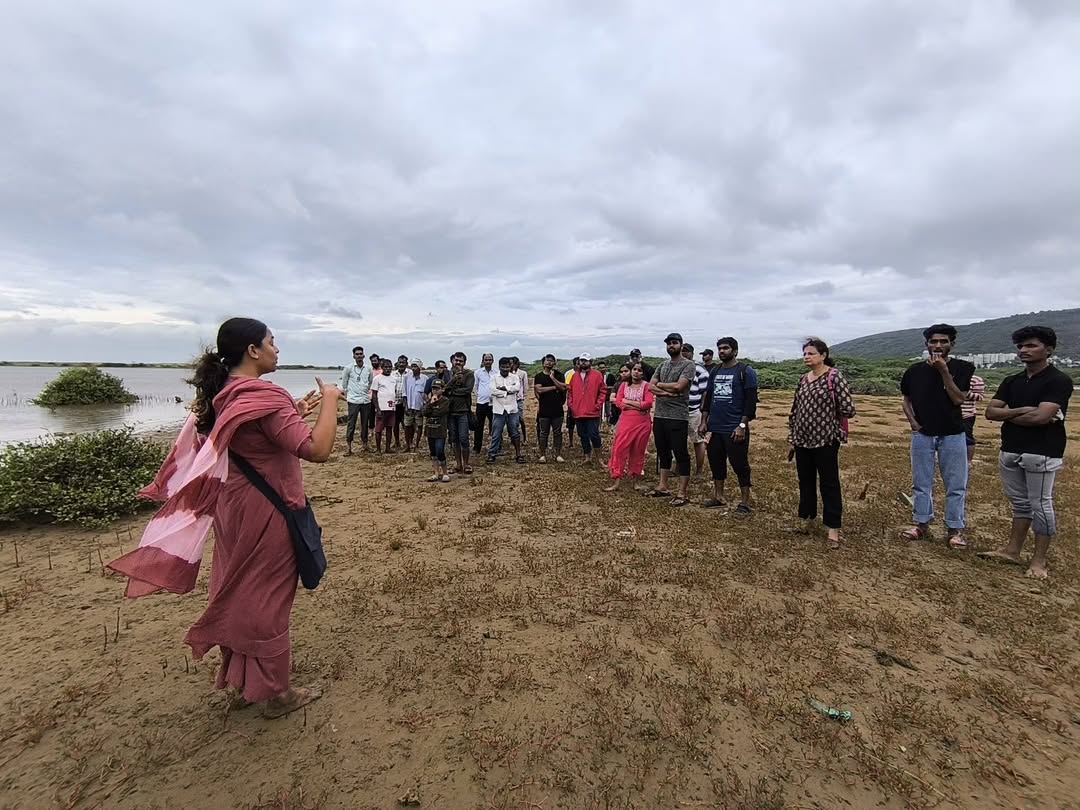
The session was addressed by Mr. Vivek N. Rathod, avian enthusiast and Board Member of WCTRE, who guided participants in observing and understanding the rich birdlife and biodiversity of the mangrove ecosystem.
A significant sighting during the field session was Cerberus rynchops (Dog-faced Water Snake), a rear-fanged, mildly venomous, semi-aquatic snake species. The species can grow up to approximately one metre and serves as an indicator of habitat quality and prey availability.
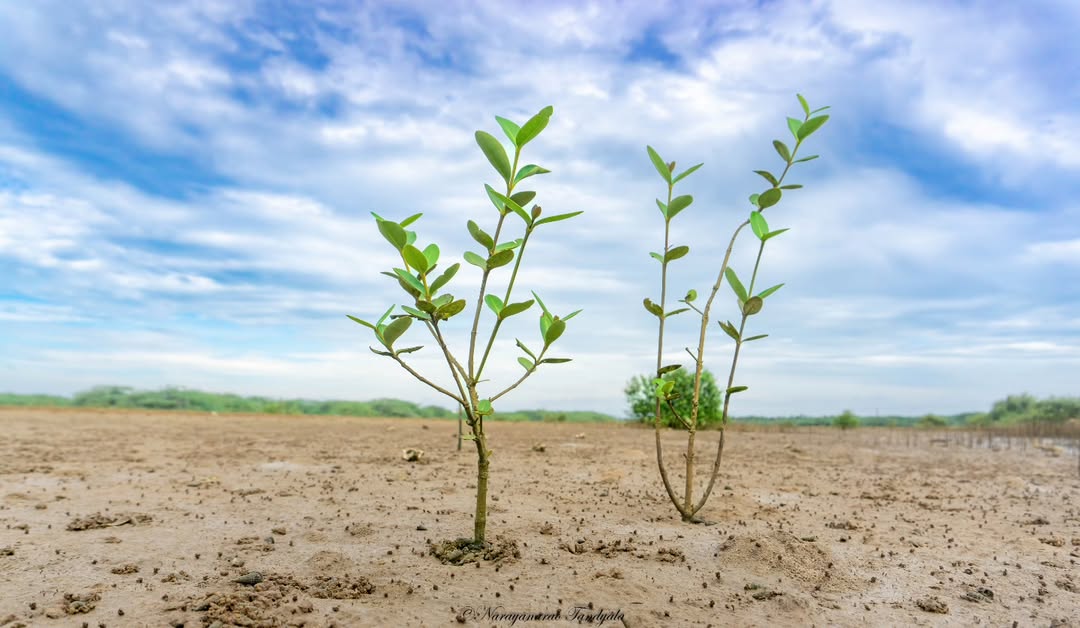
The participants identified mangrove species including Avicennia marina (Grey Mangrove) and Rhizophora mucronata (Red Mangrove).
These mangroves play vital ecological roles by:
These ecological functions were explained by Mrs. Gayathri Girish, Technical Assistant, ICFRE–FRCCE.
Participants also observed traditional fishing practices on the opposite bank, highlighting the strong connection between mangrove ecosystems and local coastal livelihoods.
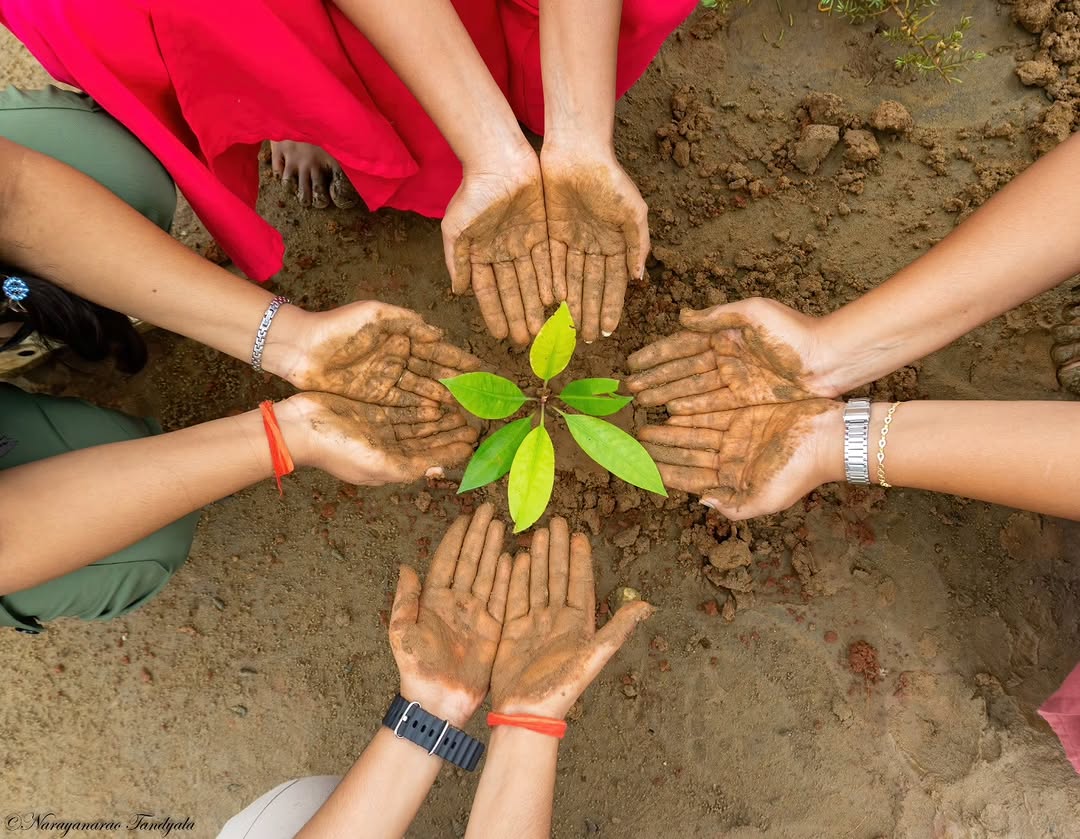
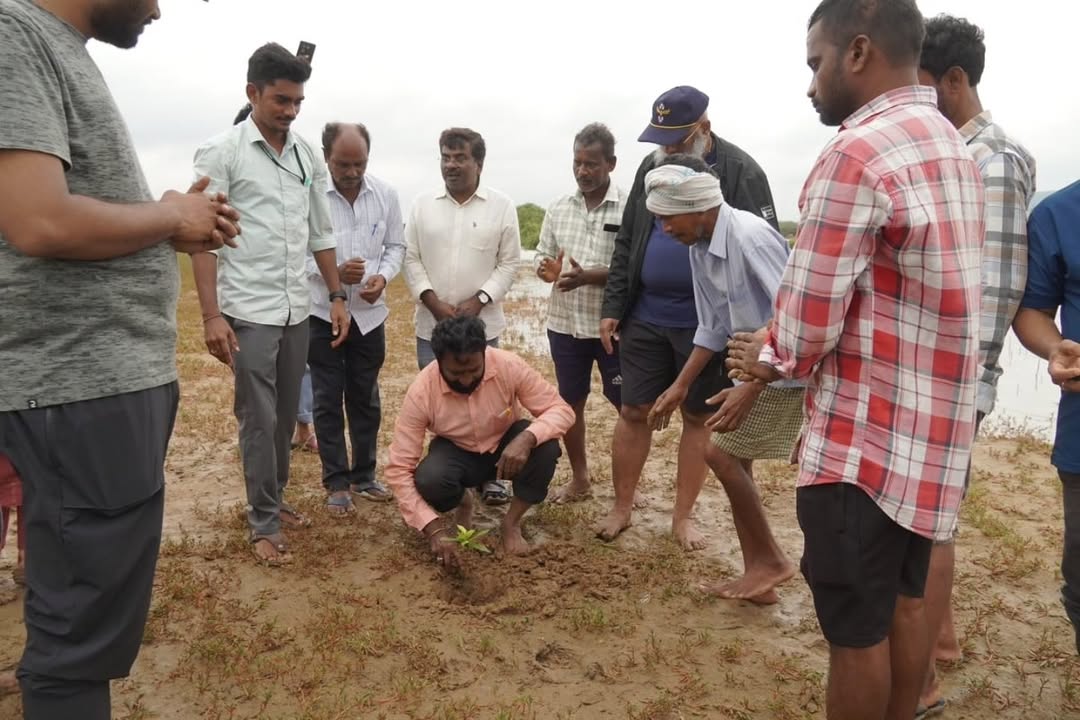
The programme concluded with a plantation drive involving local communities and participants, introducing key mangrove species such as Bruguiera and Rhizophora to support habitat restoration and strengthen mangrove conservation efforts.